Why Does Proper Ventilation Matter During New Jersey Roof Installation?
Written By:
Asch Roofing
Published By:
October 15, 2026
Read time:
5 min
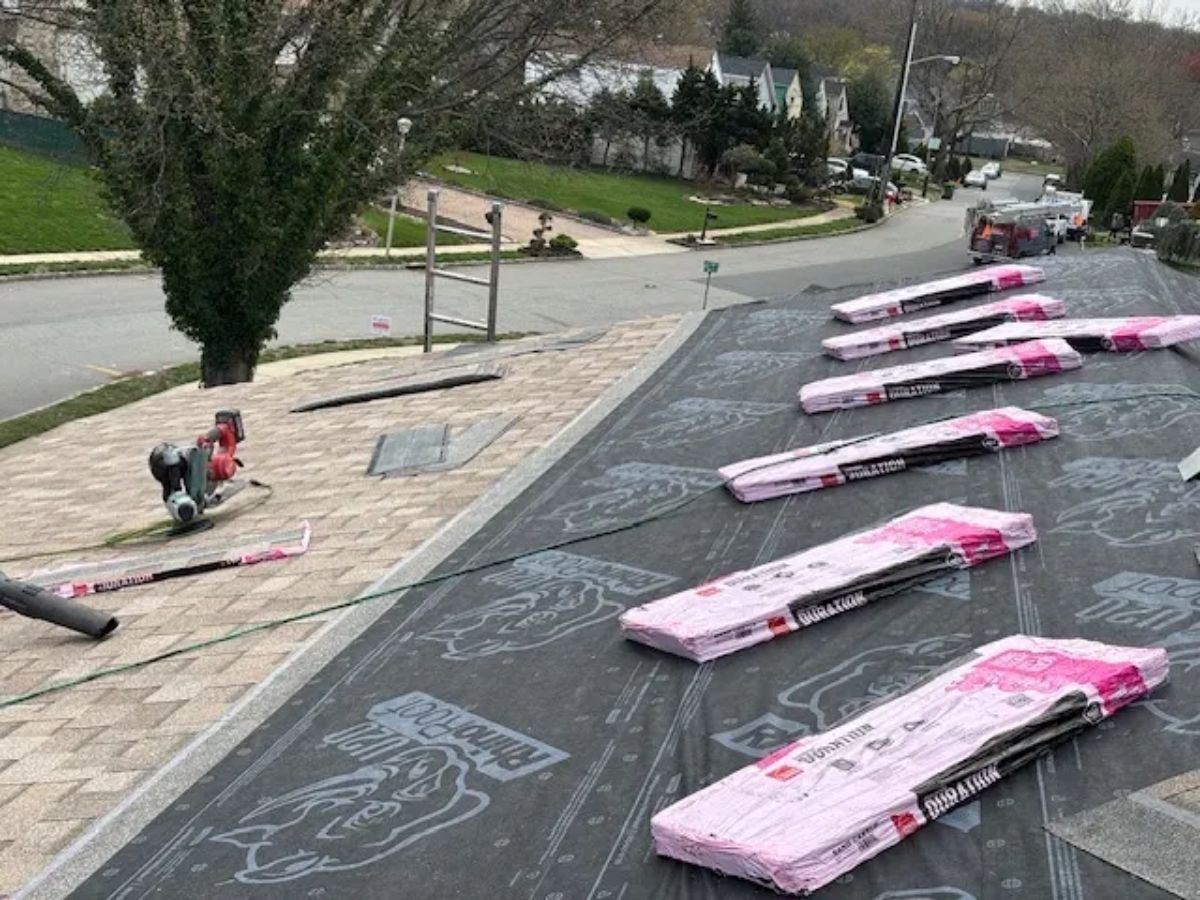
A brand-new shingle roof looks great. But if the attic underneath can't breathe, that roof is in trouble. Heat and damp air get trapped under the rafters, and over time they rot the plywood, soak the insulation, and cook the shingles from below. The fix is simple. A continuous ridge vent, soffit intake panels, and plastic baffles in each rafter bay keep fresh air moving through the whole structure.
A good local crew like Asch Roofing builds that airflow into every job. It keeps your house dry through January snowstorms and sticky July heat waves. A proper
New Jersey roof installation protects your wallet, and it stops a lot of leaks before the first drip.
Why Attic Airflow Matters for Your Home
An attic with no airflow turns into an oven by July. Temperatures up there can pass 150 degrees. That heat bakes the ceiling drywall below, makes your air conditioner run all day, and pushes your electric bill up. When you schedule a professional roof installation New Jersey homeowners can count on, the crew should size the vents so air moves through the attic every hour of the day.
The idea is simple. Cool air comes in low, through the soffits. Hot air leaves high, through the ridge. The air in between sweeps the whole underside of the roof.
Four things get better when air moves:
- Energy bills: Less heat soaks into the upstairs bedrooms on hot afternoons.
- Moisture: Damp indoor air has less chance to condense on cold rafters.
- Ice dams: Snow melts more evenly, so less water freezes at the eaves.
- Shingle life: Shingles stay cooler, so they last longer before cracking.
Winter brings a different problem. Warm air from your living space drifts up into the cold attic, and the moisture in it turns into water drops on the wood. Those drops land on the ceiling joists. Over a few seasons, you get hidden mold, soft framing, and wet insulation.
Are you worried about trapped heat or hidden attic moisture destroying your roof framing?
Contact Asch Roofing today for a comprehensive home inspection!
Finding Skilled Roofing Contractors in New Jersey
After a storm, most people search for emergency roof repair New Jersey crews to stop a leak fast. That's smart for the first night. But a dab of sealant over a broken shingle won't fix rot in the deck underneath.
Experienced roofers and vinyl siding contractors in New Jersey look at the whole outside of the house. Wall vents, gutters, and soffits all get checked to see how the pieces work together. Hiring licensed pros also keeps the work up to local code and keeps your shingle warranty valid.
Good crews handle the small stuff too. Ice barrier and metal drip edge go down before any shingles. A magnetic sweeper rolls across the lawn to pick up stray nails, the old roofing gets hauled away, and the yard is left clean. That care pays off when a coastal storm rolls in, and you find out the roof holds.
Planning Ventilation During a New Roof Replacement
A tear-off is the best time to fix your attic airflow. The old shingles are gone, so the deck is open and easy to work on. If your home has skylights, this is also a good time to book skylight repair New Jersey crews offer, since worn seals tend to leak first. Planning a full new roof installation NJ project lets the crew set plastic baffle chutes between the rafters, which keeps loose insulation from blocking the air coming in.
Here is the usual order of work:
- Soffit intake: Clear out debris and add perforated panels so fresh air can get in.
- Baffles: Fit a plastic chute in each rafter bay to keep the air path open.
- Ridge vent: Cut a slot along the peak so hot air has a way out.
- Insulation: Check that the floor batts are dry, thick, and spread evenly.
Before a roofing installation New Jersey job starts, the crew measures the attic floor. A common rule calls for 1 square foot of vent area for every 150 square feet of attic floor, split about evenly between intake and exhaust. Many codes allow 1 for every 300 when the vents are balanced, and a vapor barrier is in place, so check with your local building office. Getting this math right stops pressure problems that pull dust or rain into the house.
Ready to protect your property with a durable, perfectly ventilated new roof?
Call Asch Roofing today to arrange your consultation!
Protecting Commercial Properties and High-End Materials
Commercial buildings have their own airflow issues, mostly on flat or low-slope roofs. A modern commercial roofing New Jersey system uses thick insulation boards and special membrane vents to let trapped moisture out. Engineered
new roofing systems in NJ builders install protect those flat decks and keep offices, stores, and warehouses dry.
Asch Roofing brings honest service and solid work to every job. A reliable
New Jersey roof installation team keeps your building safe through snow, heavy rain, and summer heat. Good ventilation plus good shingles keep your home dry, comfortable, and cheaper to cool, year after year.
FAQs
How does roof ventilation help regulate attic temperature?
Cool outdoor air enters through the low soffit vents, and hot air leaves through the ridge vent at the top. That steady flow keeps the attic close to the outdoor temperature in summer. Less heat moves down into your living rooms, so the house feels cooler, your air conditioner runs less, and the monthly bill drops.
Can proper ventilation help prevent moisture buildup in an attic?
Yes. Moving air carries humid air out before the vapor can turn to water on cold rafters and sheathing. Cooking, showers, and the dishwasher all push warm, wet air up into the attic. With steady airflow, insulation stays dry, wood framing stays solid, and mold has a hard time getting started in the ceiling space.
How does ventilation affect the lifespan of a New Jersey roof installation?
Heat is hard on asphalt shingles. An attic that runs too hot dries out the oils in the shingles, so they curl, crack, and lose their granules early. Good airflow keeps that heat down. In winter, it also helps stop ice dams, which push water up under the shingle edges. Less damage means a roof that lasts for decades.
What problems can poor roof ventilation cause for homeowners?
Poor ventilation brings high energy bills, shingles that age too fast, warped decking, and ice dams along the gutters each winter. Trapped humidity rots rafters, rusts nails and metal fasteners, and soaks the ceiling insulation. Damp attics also grow mold, which hurts indoor air quality and can mean a costly cleanup.
How should ventilation be planned during a roof replacement project?
The crew checks the attic floor area. Then they figure the vents at the soffit and the ridge so both sides line up. They put plastic baffles in the rafter spaces. This keeps insulation from closing off the route for air. With the intake and exhaust vents matched correctly, air can travel by itself under the roof. No fans are needed.